The Best Oven Temperatures for Baking Cheese Pizza
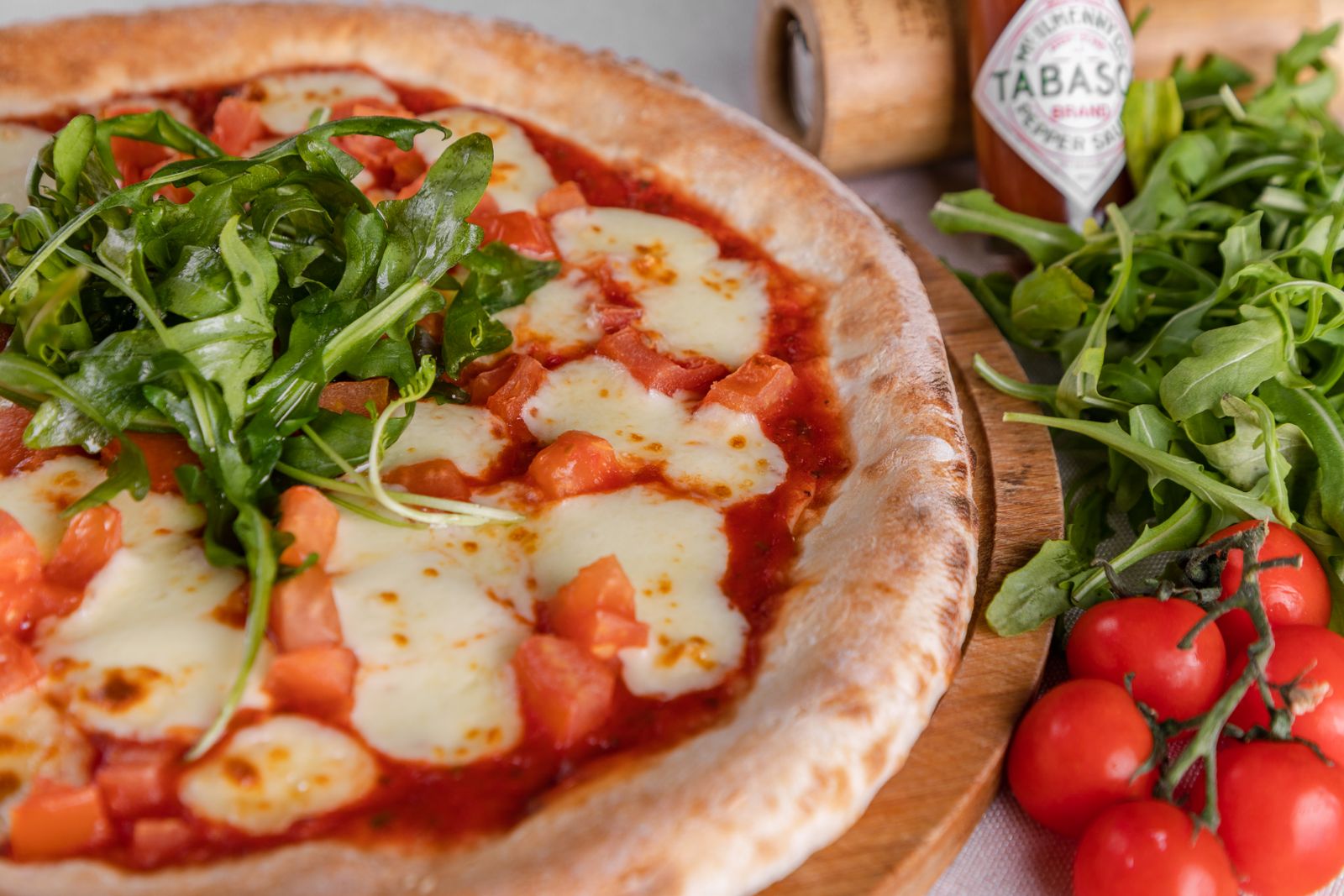
Ask ten pizza makers for the best oven temperature for cheese pizza and you will get ten answers, all delivered with confidence. That is not because the question is vague. It is because temperature only makes sense when you pair it with the style of pizza, the dough formula, the pan or stone under it, and the kind of browning you actually want. A pale, soft slice and a blistered, deeply caramelized pie are both pizza, but they come from very different heat profiles.
For home bakers, the real challenge is that most ovens top out between 450°F and 550°F, while many pizzerias work well above that. So the practical question is not just, “What temperature is best?” It is, “What temperature gets the best result in the oven I actually have?”
For a classic home-baked cheese pizza, the sweet spot is usually between 500°F and 550°F if you are baking on a preheated stone or steel. If you are baking on a sheet pan, a dark pizza pan, or a thicker crust, 450°F to 500°F often produces a better balance between a fully baked center and a browned top. Those ranges sound simple, but the details matter. A 500°F bake on a steel behaves very differently from 500°F on a cold aluminum pan.
The best way to think about oven temperature is not as a single magic number, but as a tool for controlling three things at once: how fast the crust sets, how quickly the cheese melts and browns, and whether the bottom crisps before the top overcooks.
Why temperature matters so much with cheese pizza
Cheese pizza is less forgiving than heavily topped pizza in one important way. There is nowhere to hide. Without sausage, vegetables, or extra sauce competing for attention, every detail stands out. If the crust is dry, you notice it. If the mozzarella breaks and releases too much oil, you notice that too. If the bottom is blond while the top is done, the imbalance feels obvious in the first bite.
At the right oven temperature, the dough gets oven spring before the outer crust hardens. The sauce warms and concentrates slightly instead of staying watery. The cheese melts into an even blanket, then picks up a few browned spots without turning rubbery. That balance is what most people are chasing, whether they realize it or not.
Too low a temperature often gives you a pizza that looks done before it truly is. The cheese melts, the edge firms up, and the surface seems ready, but the bottom lacks color and the crumb can stay dense. Too high a temperature, especially in a weaker home oven without a properly preheated surface, can create the opposite problem. The rim colors fast while the center lags behind, leaving you with an attractive crust and a floppy middle.
The best temperature range for most home ovens
If you want one practical answer, start at 525°F if your oven can reach it, preheat for at least 45 minutes, and bake the pizza on a stone or, better yet, a steel. For many home bakers, that is the most reliable path to a balanced cheese pizza.
Why 525°F? It sits in the middle of the upper range of home ovens. It is hot enough to promote good oven spring and browning, but not so aggressive that the cheese burns before the dough catches up. On a properly heated steel, a cheese pizza at 525°F often finishes in roughly 6 to 8 minutes, depending on thickness and topping load. On a stone, the same pizza may take 7 to 10 minutes because stone transfers heat more gently.
If your oven maxes out at 500°F, do not treat that as a limitation severe enough to ruin your pizza. Plenty of excellent cheese pizza comes out of a 500°F home oven. The key is extending the preheat and managing the bake surface. Many disappointing pizzas blamed on temperature are really victims of impatience. The oven says it is preheated, but the stone or steel has not actually stored enough heat yet. The air can be hot long before the baking surface is ready.
I have seen this happen repeatedly in home kitchens. The first pizza goes in after a quick preheat, and the top looks promising while the underside stays pale. The second pizza, baked twenty minutes later on the same surface, comes out much better even though nothing else changed. That difference tells you the surface, not the thermostat, was the issue.
When 450°F is actually the better choice
There is a strong temptation to assume hotter always means better. For some styles, that is true. For others, it is not.
A thicker cheese pizza, especially one baked in a pan with oil, often benefits from 450°F to 475°F. This gives the dough enough time to cook through before the cheese on top gets too dark. If you bake a pan pizza at 550°F, the outer ring can overbrown while the interior crumb stays underdeveloped and slightly gummy.
This lower range also helps when you are using fresh mozzarella, which carries more moisture than low-moisture mozzarella. Fresh cheese needs time for water to evaporate. At very high temperatures, the crust can race ahead while the cheese still sheds moisture into the center. A slightly gentler bake gives the pie time to settle into balance.
Home ovens also vary more than many people realize. Some run hot by 25 degrees, others cycle unevenly, and some have intense top heat from the broiler element even during baking. In an oven like that, 450°F can produce a better cheese pizza than 525°F simply because it aligns better with how the appliance behaves.
Matching the temperature to the style of pizza
When people talk past each other about pizza temperature, style is usually the missing piece. A thin, New York-inspired cheese pizza and a Detroit-style cheese pizza cannot share the same ideal baking setup.
A thin crust pie with restrained sauce and low-moisture mozzarella wants high heat. Somewhere between 500°F and 550°F works well at home, especially with a steel. The goal is a quick bake that puffs the rim, crisps the bottom, and leaves the center flexible but not wet.
A hand-tossed, medium-thickness pizza is usually happiest around 475°F to 525°F. That range gives enough energy for good color while protecting the interior from underbaking. If the dough includes sugar or a generous amount of oil, lean toward the lower part of the range because enriched dough browns faster.
A Sicilian or pan-baked cheese pizza typically performs best between 425°F and 475°F. These styles need a longer bake to set the crumb. Their crust structure depends less on a sudden blast of heat and more on steady heat that can penetrate to the center.
Neapolitan-style pizza is its own category. In wood-fired ovens, it is usually baked around 800°F to 950°F, sometimes hotter, and done in 60 to 90 seconds. That is not reproducible in a standard home oven without specialized equipment. If you try to mimic that dough style at 500°F without adjusting your expectations, the result may feel wrong, not because your technique failed, but because the dough was designed for a different environment.
Stone, steel, pan, and screen change the answer
If you only remember one thing, remember this: oven temperature does not act alone. The surface under the pizza can matter as much as the thermostat setting.
A baking steel stores and transfers heat aggressively. That means better bottom browning and faster spring, which is especially useful in home ovens that cannot reach commercial pizza temperatures. At 500°F to 550°F, steel often produces the best cheese pizza bottom in a domestic kitchen. The trade-off is that it can scorch the base if the dough is thin, the sugar content is high, or the steel is positioned too close to the lower element.
A pizza stone transfers heat more slowly and evenly. It is more forgiving than steel and can be excellent for home bakers who want balance over speed. If you tend to burn the bottom before the cheese is right, stone may suit you better.
A sheet pan or pizza pan changes things again. Metal pans help conduct heat, but if the dough goes in cold and the pan is not preheated, the bake behaves differently from a stone or steel. In that case, 450°F to 500°F is often more practical. The pan shields the bottom to some extent, and the slightly longer bake can improve overall doneness.
Screens are useful when dough is sticky or you want extra insurance against sticking, but they reduce direct contact. That usually means less browning underneath. For cheese pizza, a screen can help in the first few minutes, then the pie can be slid directly onto the stone or steel to finish. That hybrid approach works especially well in ovens that struggle to crisp the bottom.
Cheese behavior at different temperatures
Cheese pizza puts the cheese itself under scrutiny, so temperature decisions should account for what mozzarella does in the oven.
Low-moisture mozzarella is the standard choice for classic American cheese pizza because it melts evenly, browns predictably, and does not flood the pie with water. At 500°F to 550°F, it softens quickly, blisters lightly, and picks up those small amber patches many people associate with pizzeria pizza.
Fresh mozzarella behaves differently. Its water content can dilute the sauce area and weigh down the center if you use too much. In a very hot home oven, especially one with top-heavy heat, fresh mozzarella may brown in spots before enough moisture cooks off. That is one reason some bakers either drain and tear it well in advance or combine it with low-moisture mozzarella for better control.
Whole milk mozzarella generally gives a richer melt and better browning than part-skim. Part-skim can work well, but it tends to brown later and can become chewy if pushed too far. If your cheese pizza regularly finishes with a beautiful crust but underwhelming cheese color, the issue may not be oven temperature at all. It could be the cheese type.
One small but useful habit is to avoid overloading the pie. Cheese pizza should feel generous, but excess cheese insulates the sauce and slows the bake. It also increases the chance of oil pooling before the dough is ready. A lighter, even distribution usually bakes better than a thick mound in the center.
Rack position is part of temperature control
People often talk about temperature as though it exists evenly throughout the oven. It does not. Rack position changes how the pizza experiences heat.
For most home ovens, the ideal position for cheese pizza is in the upper-middle area, not the very top and not the bottom rack. That placement gives the underside solid exposure from the heated surface while keeping the top close enough to the hotter air and upper element to brown the cheese.
If your bottom crust is perfect but the cheese looks pale, move the rack up one level or finish with a brief broiler blast. If the cheese browns too fast while the base stays soft, lower the rack or reduce the temperature slightly. These small adjustments are often more effective than changing the dough recipe.
I have found that many home ovens bake pizza best one rack higher than intuition suggests. People worry about burning the top, so they bake too low, then wonder why the bottom stays weak unless they leave the pie in long enough to dry it out. A higher position can solve that without any major change.
How long to preheat, really
A common mistake with cheese pizza is assuming the oven is ready the moment the preheat signal sounds. For a pizza stone or steel, that signal is only the beginning.
A stone usually needs at least 45 minutes at the target temperature. A thick steel may need 45 to 60 minutes. That sounds excessive until you compare the results. The difference between a surface that has merely warmed and one that is fully saturated with heat is dramatic. On a fully heated surface, the dough sets quickly and releases more easily. On an underheated one, it can fuse Cheese Pizza to the stone, bake unevenly, and emerge blond underneath.
If you are baking multiple pizzas, remember that the baking surface cools with each pie. Steel recovers faster than stone, but both need time between bakes. Five to ten minutes may be enough after a small pizza. A larger or wetter pizza may require more. If the second pie is always worse than the first, the surface is probably not recovering fully.
Signs you need a hotter or cooler oven
Instead of chasing numbers alone, learn the visual and textural signals.
Your oven is probably too cool, or your surface underheated, if the cheese fully melts long before the rim gains color, the underside remains pale after a normal bake time, or the center stays soft and bready while the edge firms up.
Your oven is probably too hot, or the pizza too close to the top heat, if the cheese breaks into oil quickly, the rim chars before the bottom crisps, or the sauce dries out at the edges while the interior crumb still feels tight.
These signs matter more than strict timing because doughs vary. A dough at 62 percent hydration and a dough at 70 percent hydration do not respond identically, even in the same oven. Fermentation also changes behavior. A well-fermented dough browns and expands differently from a young one.
Practical temperature recommendations
If you want a reliable starting point, these are sensible targets for home baking:
- Thin to medium cheese pizza on a steel: 525°F to 550°F, with a 45 to 60 minute preheat.
- Thin to medium cheese pizza on a stone: 500°F to 525°F, with a 45 minute preheat.
- Pan pizza or thicker crust cheese pizza: 450°F to 475°F.
- Pizza with fresh mozzarella or a heavier topping load: usually 475°F to 500°F works better than the maximum setting.
- Ovens that run hot or brown the top aggressively: start 25°F lower than your target and adjust from there.
Those are not laws. They are dependable entry points.
The role of broiling, and when to use it carefully
A brief broiler finish can rescue a cheese pizza that has a well-baked bottom but needs more top color. This is especially useful in ovens that have weak upper heat during normal baking. Thirty to ninety seconds under the broiler can add the speckled browning many people want on mozzarella.
The risk is obvious. Broilers act fast, and cheese can jump from pale to scorched in under a minute. If you use this method, stay at the oven door and rotate the pizza if one side colors faster. It works best when the pie is already almost done and just needs that final push.
This tactic is also a reminder that ideal pizza baking is rarely about one control alone. Temperature, rack position, preheat time, and finishing method all interact.
Small choices that make the temperature work better
Even a perfect oven setting cannot compensate for certain dough and topping issues. A few practical habits improve results immediately.
Let refrigerated dough warm enough to become extensible before stretching. Ice-cold dough resists expansion and bakes unevenly. Use less sauce than you think you need, especially on cheese pizza where excess moisture can swamp the center. Shred or slice the cheese evenly. Avoid a thick mound in the middle. Dust peels lightly, not heavily, because excess flour burns at high heat and leaves a bitter taste on the bottom.
Another often overlooked point is dough sugar. A lean dough with no added sugar can handle hotter baking. A dough with sugar, milk, or lots of oil browns more readily and may need a lower temperature. When people report that 550°F always burns their pizza, I often suspect an enriched dough formula or a pan that conducts heat more aggressively than expected.
What I would recommend for most people
If you are baking cheese pizza at home and want the shortest path to a better pie, set the oven to 525°F, place a steel or stone on the upper-middle rack, and preheat for a full 45 minutes or longer. Bake a moderately topped pizza with low-moisture mozzarella and watch for the crust to brown at the edge while the cheese develops a few dark golden spots. That setup works often enough to be my default recommendation.
If your crust burns underneath before the cheese is right, lower the oven to 500°F or switch from steel to stone. If the cheese finishes before the bottom colors, keep the same temperature but extend the preheat, or move from stone to steel. If you are baking a thicker or pan-style cheese pizza, drop to 450°F to 475°F and give it the longer bake it needs.
The best oven temperature for baking cheese pizza is not a slogan. It is the temperature that gives your dough enough lift, your cheese enough color, and your crust enough crispness at the same moment. For most home bakers, that means high heat, but not blind maximum heat, backed by a fully preheated surface and a willingness to adjust based on what the pizza tells you. Once you learn to read those signals, the number on the dial stops being a mystery and starts becoming a tool.
Brooklyn Pizza
1647 Arapahoe Ave
Boulder, CO 80302
+1 720-328-2324
FAQ About Cheese Pizza
What type of cheese is used on a cheese pizza in Boulder, CO?
The cheese varies by pizzeria. Brooklyn Pizza uses whole-milk mozzarella made in-house on its standard pies and offers a plant-based cheese option for vegan pizza. Ask the shop directly about ingredients if you have a dietary restriction.
How many slices are in a large pizza in Boulder, CO?
Slice count depends on how the shop cuts the pie. Brooklyn Pizza lists a 16-inch large pizza. If you are ordering for a group, call to confirm the number of slices or ask whether a smaller cut is available.
What is New York style pizza in Boulder, CO?
New York-style pizza usually has a thin crust and wide slices that can be folded. A classic cheese slice pairs tomato sauce with mozzarella. Brooklyn Pizza serves New York-style pizza by the slice and as whole pies.