Cheese Pizza Around the World: Styles Worth Trying

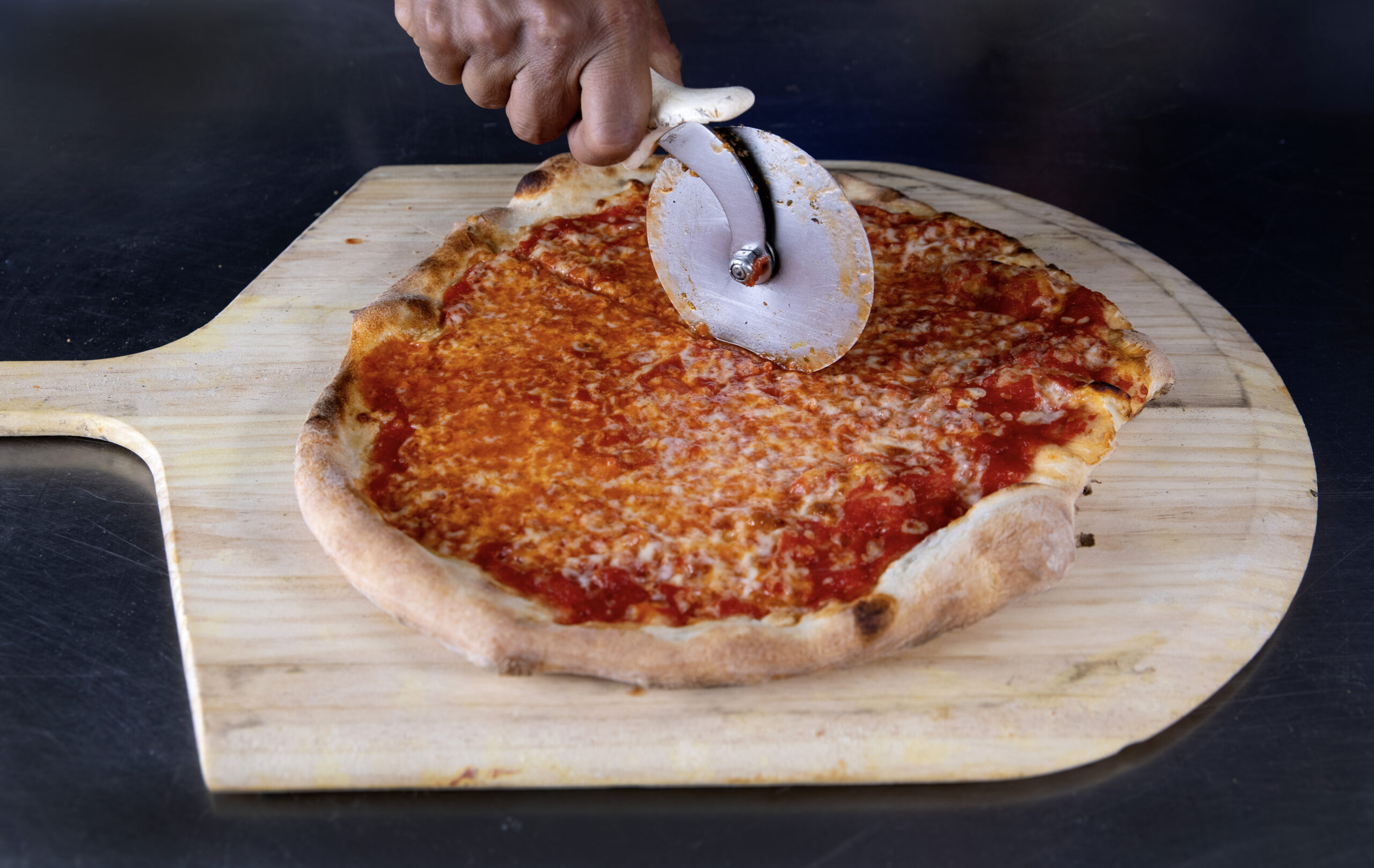
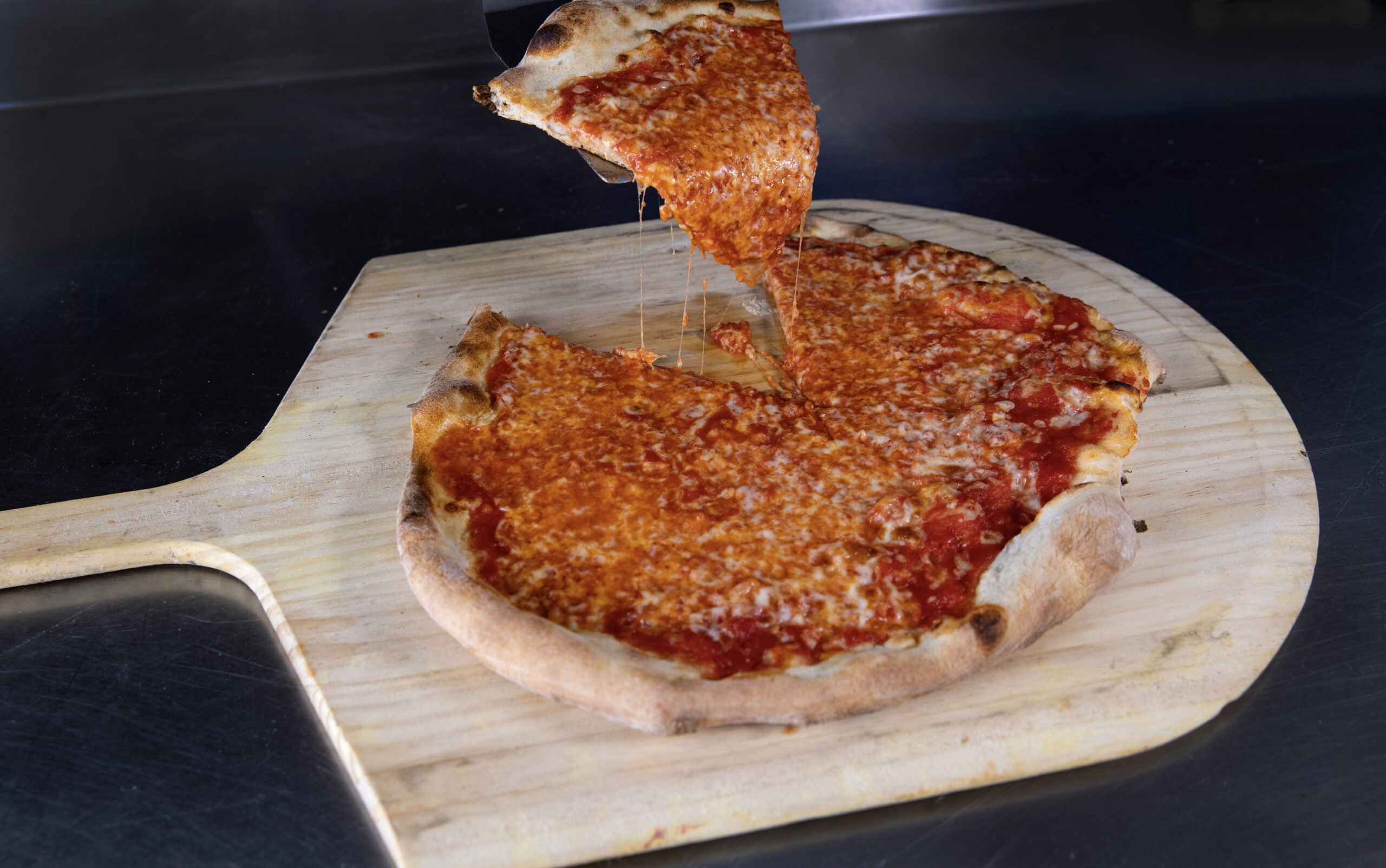
Cheese pizza sounds simple until you start traveling for it, or even just paying attention to how different regions define the same idea. One place treats cheese pizza as a study in restraint, with a few carefully chosen ingredients and a blistered crust. Another piles on multiple cheeses until each bite stretches, browns, and borders on decadent. In some cities, the cheese itself is the point. In others, it is the relationship between crust, sauce, fat, heat, and timing that makes a plain pie memorable.
That is why cheese pizza remains one of the best ways to understand pizza culture. Without pepperoni, sausage, mushrooms, or other toppings pulling attention away, every decision shows. Flour choice matters more. Fermentation matters more. Moisture control becomes obvious. Even the cut, whether folded, forked, or eaten by hand in small squares, tells you something about where you are and what people expect from a slice.
After years of trying pizza in pizzerias, bakeries, neighborhood shops, and a few very serious restaurants, I have come to appreciate cheese pizza as the most honest order on the menu. It reveals skill quickly. It also reveals regional taste in a way that heavily topped pies sometimes hide. If you are curious about pizza beyond your local standard, these are the styles worth seeking out.
Naples, where restraint sets the standard
If you want to understand modern pizza at its root, start in Naples. A classic Neapolitan cheese pizza, most often a Margherita, is not overloaded and does not try to impress with excess. The dough is soft, highly hydrated, and fermented long enough to develop flavor without becoming sour. The crust puffs at the edge, chars in spots, and stays tender enough that a knife and fork can make sense, especially in the center where sauce, mozzarella, and steam keep things delicate.
The cheese matters here, but not in the way many people expect. Fresh mozzarella, whether fior di latte made from cow’s milk or mozzarella di bufala from water buffalo milk, brings moisture, tang, and a milky sweetness. Used carelessly, it can flood the pizza. Used well, it melts into soft white pools that mingle with tomato rather than sitting as a thick blanket. Good pizzaioli drain the cheese properly and space it with intention. That judgment is one reason a seemingly simple pie can be difficult to execute.
The beauty of Neapolitan cheese pizza lies in balance. Tomato acidity keeps the dairy from feeling heavy. Olive oil rounds the edges. Basil adds aroma more than flavor. The oven does the rest. At temperatures that often exceed 800 degrees Fahrenheit, the pie cooks in roughly 60 to 90 seconds. That speed creates a texture many first-time visitors do not expect. The crust is not rigid and crisp all the way through. It bends. It can even verge on soupy in the center if the maker pushes the style to its wetter limits. Purists love that softness. Others need a slice or two to understand it.
It is worth making that adjustment. Once you stop measuring the pie against a crisp American slice, the logic becomes clear. This is cheese pizza built around freshness and heat, not around durability.
Rome, where texture takes a different path
Roman pizza gives you a useful contrast because it asks for a different kind of pleasure. In Rome, one cheese pizza experience comes in the form of pizza Cheese Pizza tonda, the round pie with a thinner, crisper base than its Neapolitan cousin. Another comes as pizza al taglio, baked in rectangular trays, sold by weight, and cut to order. Both can be excellent showcases for cheese.
A Roman round pie tends to have more snap and less softness. The crust dries out more fully, the center usually holds its structure better, and the cheese coverage often feels more even and less molten in isolated patches. You notice the bite first. That crispness changes how the dairy reads on the palate. Mozzarella tastes less creamy when the base beneath it is dry and crackly, which is not a flaw. It creates contrast.
Pizza al taglio opens up another world entirely. Because it is baked in pans, often with a longer bake and a more airy interior crumb, it can support combinations that would feel heavy on a thin pie. Cheese-only versions often feature mozzarella plus another element, perhaps a sharper grated cheese, a white base, or a finish of olive oil after baking. The best examples manage a rare combination: a crisp underside, a light interior, and enough fat from the cheese to make the bite satisfying without becoming greasy.
I still remember a tray slice near Campo de’ Fiori that looked almost too plain to bother with, just a pale blanket of melted cheese over an ivory crust. The first bite explained everything. The bottom crackled. The interior was almost focaccia-like. The cheese had browned in small freckles and picked up a nutty note. Nothing about it was flashy, but it was the kind of pizza that disappears before you realize how good it is.
New York, where the slice became its own language
New York cheese pizza is arguably the most influential style in the United States, and for good reason. A good New York slice balances flexibility and structure in a way few styles do. The dough, usually hand-tossed and moderately thin, supports a light but not sparse layer of tomato sauce and a generous coat of low-moisture mozzarella. The bake produces a base sturdy enough to fold, yet tender enough to bite through cleanly.
This is a very different cheese experience from Naples. Low-moisture mozzarella melts more uniformly and browns more readily. It creates the familiar sheen and pull many people associate with pizza. When it cools for a minute or two, it settles into a cohesive layer that adheres to the slice instead of sliding off. That practical advantage matters in a city where people eat while standing, walking, or leaning against a counter.
A great New York cheese slice also has a distinctive seasoning profile. The sauce often carries garlic, oregano, and a touch of sweetness. The cheese contributes salt and fat, but the pie rarely tastes like dairy alone. It tastes like the whole city taught it how to be assertive. You may see grated pecorino or Parmesan added after the bake, and red pepper flakes, garlic powder, or dried herbs on the counter. Purists debate how much is too much, but a modest dusting of grated cheese on a hot slice can sharpen the whole thing.
The challenge with New York style is consistency. Many shops produce decent slices, but truly excellent ones are rarer than visitors assume. The dough has to ferment long enough to gain flavor. The oven deck needs to be hot but not scorching. The cheese distribution must avoid bare spots and overloaded centers. Reheating a slice can either revive it or flatten it. The best shops treat those details seriously. When they do, cheese pizza becomes more than a default order. It becomes the benchmark.
New Haven, where char becomes flavor
New Haven apizza deserves a place on any serious pizza itinerary, even though visitors often arrive expecting New York and leave surprised by something more austere. The local style, especially in its classic coal-fired form, pushes crust flavor to the front. A plain pie here, often called a mozzarella pie if you want cheese on it, can be thinner, drier, and more charred than outsiders anticipate.
That char is not an accident. In the best versions, the intense bake creates a dark, almost bitter edge that plays against tomato sweetness and cheese richness. The result is not soft comfort food. It is leaner, smokier, and a touch more severe. Some people fall for it immediately. Others need time. I have seen both reactions at the table.
Cheese application in New Haven can be lighter than what many Americans expect. In older traditions, a tomato pie came with little or no mozzarella unless requested. That custom changes the meaning of cheese pizza. Cheese is an added layer rather than the default identity of the pie. When used, it often feels integrated rather than abundant, there to accent the crust and sauce rather than dominate them.
For anyone who thinks cheese pizza has to be lush and gooey, New Haven offers a useful corrective. It shows that dairy can play a supporting role and still leave the pie complete.
Chicago, beyond the stereotype
Chicago’s deep-dish reputation is so large that it can obscure how many cheese pizza experiences the city offers. Yes, a classic deep-dish cheese pie is worth trying. The crust forms a buttery, pan-baked shell, often pressed high against the sides. Slices of mozzarella may go directly on the dough, with sauce ladled over the top and grated cheese finishing the surface. This assembly protects the dairy during the long bake and creates an almost casserole-like layering effect.
Done poorly, deep-dish feels heavy and one-note. Done well, it is far more balanced than critics admit. The crust should be flaky rather than merely thick. The tomato layer should taste bright enough to cut the richness. The cheese should melt fully without pooling grease. One small wedge can be filling, but it should not sit in the stomach like a brick.
Chicago also offers tavern-style pizza, and for many locals this is the more everyday expression of cheese pizza. Rolled thinner, baked crisper, cut into squares, and often finished with edge-to-edge toppings, tavern-style has a directness I love. The cheese coverage tends to be broad and even, the crust dry and almost cracker-like at the edges, the overall experience built for sharing over conversation and drinks. If deep-dish is the visiting-card style, tavern-style is often the one people actually order on a Tuesday night.
That distinction matters. Travelers who try only deep-dish understand one chapter of Chicago pizza, not the whole book.
Detroit, where the corners are the prize
Detroit-style cheese pizza is one of the clearest examples of how pan geometry changes flavor. Baked in rectangular steel pans, the dough rises into a thick but airy base with a fried, crisp bottom. The cheese, traditionally brick cheese or a blend designed to mimic its buttery sharpness, is spread all the way to the edges. There it caramelizes against the pan into the lacy, dark crust that makes the style so recognizable.
Those edge pieces are not a gimmick. They are the payoff. The caramelized cheese develops notes closer to toasted nuts and browned butter than to simple melted mozzarella. Combined with the pillowy crumb inside, it creates a strong contrast of textures in a single bite. Sauce placement varies. Many shops stripe it over the top after or near the end of baking, which keeps the crust from getting soggy and allows the dairy flavor to register first.
Cheese pizza works unusually well in Detroit style because the format gives cheese multiple jobs at once. It acts as topping, seasoning, and crust builder. The border becomes as important as the center. Even people who usually insist on meat-topped pies often change their mind after trying a corner square straight from the pan.
The only caution is portion size. Detroit slices look manageable until you realize how much bread and cheese they carry. One or two pieces can be plenty. That is not a criticism. It is part of the style’s generosity.
France and the white-pizza instinct
France is not always the first country people mention in pizza conversations, but several French interpretations of cheese-forward pizza are worth trying, especially white pizzas that lean into cream, soft cheeses, and onions. In Alsace, the tarte flambée, or flammekueche, sits close enough to pizza to matter in this discussion, even if locals would draw distinctions. Its thin dough, crème fraîche, onions, and lardons create a composition where dairy tang and crispness dominate.
When cheese enters more directly, French pizza often favors combinations that feel richer and more aromatic than the classic Italian approach. Goat cheese, Comté, Reblochon, and blue cheese appear in ways that would seem excessive elsewhere. Yet on a thin, well-baked crust, those cheeses can make sense. The trick is proportion. A strong cheese needs either a restrained hand or a balancing element such as caramelized onion, potato, or herbs.
I have had white pizzas in Lyon and Paris that were extraordinary for the first three bites and exhausting by the sixth. That is the trade-off with assertive cheeses. Complexity rises, but so does palate fatigue. The best French cheese pizzas understand this and build in relief, perhaps through a lighter spread of crème fraîche, a thinner crust, or a fresh green finish after baking.
Argentina, where mozzarella becomes abundant
Buenos Aires offers one of the world’s most distinctive pizza cultures, shaped by Italian immigration but unmistakably local in its love of abundance. Argentine pizza, particularly styles like fugazzeta, can be dramatically cheesier than most European versions. Thick crust, heavy mozzarella, sweet onions, and a generous hand define the experience.
Even a straightforward mozzarella pie in Argentina often arrives with more cheese than a North American diner expects. The dairy blankets the surface in a way that turns each slice into something close to a molten topping over bread. This can sound excessive on paper, and sometimes it is. At its best, though, the style has a disarming warmth. The crust absorbs some of the moisture, the onions cut through the richness, and the whole pie feels communal, built for lingering at the table rather than eating on the run.
Fugazzeta, especially the stuffed versions, may test your idea of what counts as cheese pizza. Yet it deserves a try precisely because it takes the concept to its logical extreme. If Naples teaches restraint, Buenos Aires teaches exuberance.
Japan, where precision changes familiar forms
Japan’s pizza scene is broader and more nuanced than outsiders often assume. In major cities, you can find rigorous Neapolitan pizzerias with imported ovens and meticulously sourced ingredients. You can also find inventive local interpretations that play with texture and presentation in ways that still respect the core logic of pizza.
What stands out in many Japanese shops is precision. Cheese placement tends to be deliberate. Browning is closely controlled. The pies often arrive with a visual neatness that reflects the broader dining culture. Even when the ingredients are familiar, the execution can feel sharpened. A simple cheese pizza might feature exceptional dough fermentation, restrained sauce, and a clean, measured bake that lets each element speak.
There is also a comfort with adaptation. Corn, mayo, seafood, and other toppings get plenty of attention, but cheese-forward pies remain common and often excellent. In some cases, blends are chosen to produce stretch without overwhelming the crust. In others, domestic cheeses with milder profiles create a softer finish than the saltier American standard. The result is not better or worse, just tuned differently.
For travelers, Japan offers a useful lesson: pizza culture travels best when it absorbs local discipline rather than merely copying a template.
What to notice when you order a plain pie
If you want to get more from trying cheese pizza in different places, it helps to pay attention to a few details that reveal style and skill faster than toppings ever could.
- Watch how the cheese melts. Is it pooled, browned, blistered, or uniform?
- Check the center of the slice. Does it hold, sag, or turn custardy?
- Notice the edge. Is the crust dry, airy, fried, or deeply charred?
- Taste the sauce separately in your mind. Bright, sweet, herbal, or barely there all change the pie.
- Pay attention to fatigue. The best cheese pizza invites another bite instead of overwhelming you after two.
These details sound small, but they determine whether a pie feels balanced or merely heavy. They also help explain why two pizzas with flour, tomato, and cheese can taste worlds apart.
Pairing expectations with style
One reason people dismiss unfamiliar Cheese Pizza pizza styles is that they order with the wrong expectation. Someone craving a crisp, foldable New York slice may struggle with the softness of Naples. Someone expecting the lightness of a Roman pie may find Buenos Aires excessive. That does not mean the style failed. It means the frame was off.
I usually suggest matching your mood to the pie. If you want delicacy and freshness, go Neapolitan. If you want crunch and portability, aim for Roman or New York. If you want deep comfort and a slower meal, Chicago or Detroit can be deeply satisfying. If you want something intense and slightly austere, New Haven is compelling. If you are in the mood for indulgence without apology, Argentina has few rivals.
That kind of calibration matters because cheese pizza is unforgiving. Without other toppings to distract you, the style arrives exactly as it is. Sometimes that means a pie you admire more than love. Sometimes it means a pie you cannot stop thinking about.
Why plain pizza travels so well
There is a paradox at the heart of cheese pizza. It is one of the most standardized foods on earth, recognizable across continents, yet it is also one of the clearest expressions of local habits. The same basic components shift with climate, ovens, dairy traditions, wheat quality, meal patterns, and social customs. A coal-fired pie from Connecticut, a tray slice in Rome, and a bubbling fugazzeta in Buenos Aires all belong to the same family, but they speak with different accents.
That is what makes the category so rewarding. Cheese pizza is not just the safe order for picky eaters or the baseline menu item for children. It is a lens. It shows what a place values in bread, heat, dairy, acidity, and texture. It reveals whether a culture prizes elegance, abundance, crispness, softness, speed, or ceremony. It also reminds you that simplicity is rarely simple. Strip a dish down to its essentials, and craft becomes impossible to fake.
If you are building your own global tasting list, start with a few contrasts rather than trying to cover everything at once. Try a Neapolitan Margherita one week, a New York slice the next, then Detroit, then Roman al taglio. The differences will sharpen quickly. Soon you will notice things casual diners often miss, like the way low-moisture mozzarella browns compared with fresh mozzarella, or how a pan-baked edge can carry more flavor than the center.
And when you find a place that gets its cheese pizza exactly right, remember it. Toppings may come and go with trends. A truly excellent plain pie rarely needs anything else.
Brooklyn Pizza
1647 Arapahoe Ave
Boulder, CO 80302
+1 720-328-2324
FAQ About Cheese Pizza
What type of cheese is used on a cheese pizza in Boulder, CO?
The cheese varies by pizzeria. Brooklyn Pizza uses whole-milk mozzarella made in-house on its standard pies and offers a plant-based cheese option for vegan pizza. Ask the shop directly about ingredients if you have a dietary restriction.
How many slices are in a large pizza in Boulder, CO?
Slice count depends on how the shop cuts the pie. Brooklyn Pizza lists a 16-inch large pizza. If you are ordering for a group, call to confirm the number of slices or ask whether a smaller cut is available.
What is New York style pizza in Boulder, CO?
New York-style pizza usually has a thin crust and wide slices that can be folded. A classic cheese slice pairs tomato sauce with mozzarella. Brooklyn Pizza serves New York-style pizza by the slice and as whole pies.